
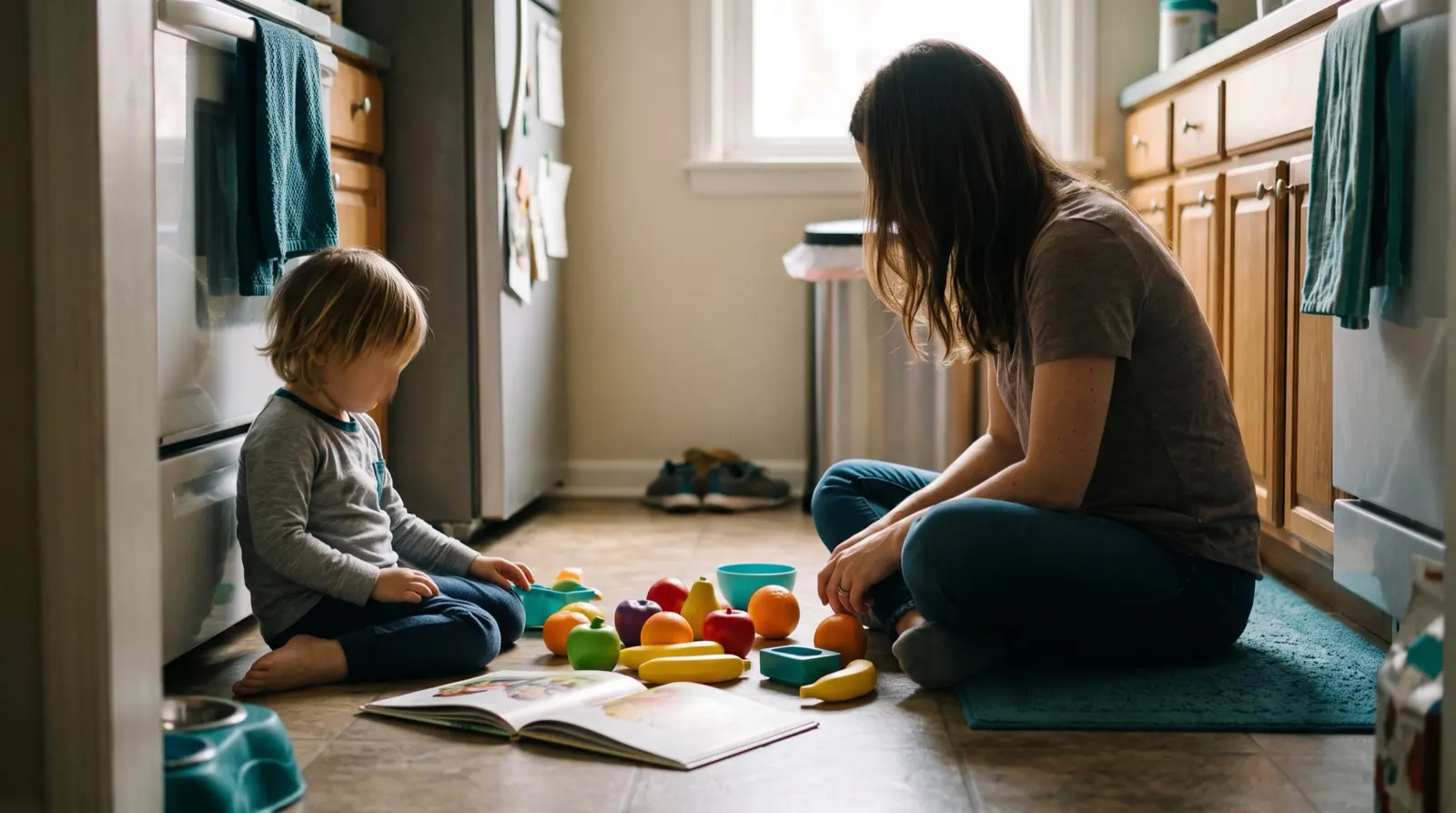
Speech and language development can be supported not only in sessions but also in everyday life.
Follow your child's interest: Talking about the toy or activity your child enjoys makes communication more meaningful.
Allow waiting time: Waiting a few seconds after asking a question instead of answering right away gives your child a chance to express themselves.
Use routines: Meals, bath time and dressing happen every day and are good chances to hear the same words again and again.
Value every attempt: A look, a gesture, a sound or a picture card; every communication attempt matters.
This article is for general information only; please consult specialists for an assessment of your child's individual needs.